Showing posts with label Journal of Nephrology Research. Show all posts

Wednesday, September 20, 2023

Radiology; USG and Colour Doppler of Post Renal Transplant Complications


Abstract

Kidney transplant is the treatment of choice for patients with end-stage renal disease. Kidney transplant offers better quality of life. It is more cost effective than hemodialysis. Advances in surgical technique, along with improvement in organ preservation and immunosuppression have improved patient outcomes. Post-operative complications, however, can limit this success. Ultrasound and Doppler study is the primary imaging modality for evaluation of renal transplant, providing real –time information about complication in graft. A multimodality approach including CT scan, MRI or conventional angiography may be necessary in cases when sonography and Doppler are inconclusive to diagnose the etiologies of these complications. Radiologists play an integral role within the multidisciplinary team in care of transplant patient at every stage of the transplant process. Therefore, the radiologist should always be aware when evaluating the failing renal graft, whether the cause is renal or extrinsic. In this pictorial essay we tried to gather the most common complication of transplant kidney in different cases that occurred in our hospital, with an emphasis on Ultrasound and Doppler study.


Read more about this article: https://lupinepublishers.com/urology-nephrology-journal/fulltext/radiology-usg-and-colour-doppler-of-post-renal-transplant-complications.ID.000164.php

Read about Lupine Publishers Google Scholar Articles: https://scholar.google.com/citations?view_op=view_citation&hl=en&user=XbnlB50AAAAJ&cstart=400&pagesize=100&citation_for_view=XbnlB50AAAAJ:Nufq_to8ts0C


Monday, August 28, 2023

Evaluation of Buccal Mucosal Graft Urethroplasty for The Treatment of Female Urethral Strictures- A Single Centre Experience


Abstract

Introduction: Female urethral stricture is a highly under-reported and underdiagnosed condition encountered by the reconstructive urologist. Urethral dilatation is often performed with urethroplasty offered in select cases. In the present study, we describe our results in a series of women surgically treated for female urethral stricture disease using a suprameatal approach with a buccal mucosal graft dorsal on lay technique.
Materials and Methods: All females diagnosed of urethral stricture who underwent buccal mucosal graft urethroplasty from January 2015 to January 2020 were evaluated retrospectively. Intraoperative and postoperative parameters were assessed.
Results: A total of 14 female patients underwent buccal mucosal urethroplasty were evaluated. The mean age of the patients was 49.5 years ranging from 35 to 64 years. Mean preoperative maximum flow rate [Qmax] on uroflometry was 6.5 ml/second and the mean residual urine 156 ml. All patients underwent uneventful buccal mucosal graft dorsal on lay technique. At 3 months follow up, the mean Qmax was 23.2 ml/second with mean residual urine of 14 ml. A Self-reporting satisfaction scores using the Patient Global Impression of Improvement showed that seven patients scored 1 (very much better), four scored 2 (much better), two patients scored 3 (a little better), and one scored 4 (no change) none of the patients scored a 5 (worse).No recurrence was noted.
Conclusion: Buccal mucosal graft urethroplasty is a feasible surgery for female urethral strictures with minimal short term complications.


Read more about this article: https://lupinepublishers.com/urology-nephrology-journal/fulltext/evaluation-of-buccal-mucosal-graft-urethroplasty-for-the-treatment-of-female-urethral-strictures-a-single-centre-experience.ID.000163.php

Read about Lupine Publishers Google Scholar Articles: https://scholar.google.com/citations?view_op=view_citation&hl=en&user=XbnlB50AAAAJ&cstart=400&pagesize=100&citation_for_view=XbnlB50AAAAJ:DIubQTN3OvUC

Tuesday, August 22, 2023

Safety and Efficacy Assessment of Pcnl in The Pediatric Population: A Single Centre Experience


Abstract

Introduction and Objective: Renal stone disease in children is on the rise with increased incidence and better modalities to diagnose the disease. Hence there is a necessity to strategize the evaluation and treatment of children with kidney stones. Our study was conducted to assess stone distribution, stone burden, and efficacy of PCNL in pediatric age group.
Methods: All paediatric patients with renal stone disease who subsequently underwent PCNL at our department from January 2017 to December 2020 were analysed.
Results: 84 patients ranging 1-18 years were analysed. Pain abdomen was the most common presenting symptom (61.9%) followed by fever (19.04%). The mean stone size was 2.16cm with equal side distribution. Most stones were located in the lower calyx (38%). The mean operative time was 65 minutes. Exposure to radiation from C arm ranged from 1.6-8.3 minutes. Complete stone clearance was achieved in 90.47% with a mean post- drop in Hb value to 0.72 gm/dl. Mean duration of nephrostomy tube in situ was 2.4 days and with a mean hospital stay of 3.8 days. Calcium oxalate was the most common type of stone (48%) Conclusion: PCNL is safe and effective treatment for pediatric renal calculi with minimal morbidity and increased stone free rates irrespective of stone size. Proper patient selection, surgical skill and postoperative care contribute towards the success of the procedure

Read more about this article: https://lupinepublishers.com/urology-nephrology-journal/fulltext/safety-and-efficacy-assessment-of-pcnl-in-the-pediatric-population-a-single-centre-experience.ID.000162.php

Read about Lupine Publishers Google Scholar Articles: https://scholar.google.com/citations?view_op=view_citation&hl=en&user=XbnlB50AAAAJ&cstart=400&pagesize=100&citation_for_view=XbnlB50AAAAJ:ojlX30-wUrgC

Monday, November 28, 2022

Robot-Assisted Radical Prostatectomy our Technique Description


Abstract

Objective: To describe step-by-step technique in Robot Assisted Radical Prostatectomy of our transperitoneal posterioranterior technique for prostatic dissection with preservation of the endopelvic fascia, preservation of the puboprostatic ligaments and dorsal venous complex.

Materials and Methods: Description of our surgical technique over 80 patients who underwent RARP and the characteristics group from 2016 to 2019 excluding the rest of cases who went to different surgical approach and technique for robot-assisted radical prostatectomy.

Results: The mean age was 63 years old, 7% of patients were overweight and 7.5% had obesity. The mean pre-operative prostate volume was 42.620 cc, mean prostatic specific antigen (PSA) of 10.414.8 ng/dl. The mean console time was 198±47. The surgical margins were positive in 13.75% of the patients. Complications were recorded in the peri-operative period, five (6.2%) Clavien-Dindo I and six (7.5%) Clavien-Dindo II.

Conclusions: After 8 years of experience in our center we have modified our technique of robot assisted radical prostatectomy, improving our results, following different worldwide concepts in the prostatic dissection. Even if necessary, to increase the number of cases we have find an easier way to reproduce with acceptable results.


Read more about this article: https://lupinepublishers.com/urology-nephrology-journal/fulltext/robot-assisted-radical-prostatectomy-our-technique-description.ID.000153.php

Read about Lupine Publishers Google Scholar Articles: https://scholar.google.com/citations?view_op=view_citation&hl=en&user=1s6IPw0AAAAJ&citation_for_view=1s6IPw0AAAAJ:PlWzFYVEG4EC


Friday, January 8, 2021

Lupine Publishers | Infra-red Radiation in Diagnostic of Arteriogenic Erectile Dysfunction

 Lupine publishers | Journal of Urology & Nephrology Studies


Goal: To identify influence of long range infra-red radiations on endothelium- dependent vasodilatation in patients with erectile disorders.

Material and Methods: One hundred eighteen males with erectile disorders were examined. Twenty practically healthy males comprised a control group. An endothelial function of the cavernoma arteries was determined with ultrasonic Diplography after of application of a long range infra-red radiation.

Results: An endothelial dysfunction of the cavernous arteries revealed with a Drug-Diplography method in the main group was also proved at the use of the original technique. Paradoxical vasoconstriction which was found during utilization of drug-induction method assay was identified in some patients. A direct correlation between these techniques was revealed and the correlation ratio was r=0.58 (p<0.05).

Conclusion: The method developed is informative in diagnostics of endothelial dysfunction of the cavernoma arteries, and we think that it will take a relevant place in a comprehensive examination of patients with erectile disorders.

Keywords: long range infra-red radiation; erectile dysfunction; endothelial dysfunction.

Introduction

The main diagnostic method for vasculogenic erectile dysfunction (ED) at the percentage is diplography of the cavernous arteries of the penis after intracavernous administration of vasoactive drugs- pharmacodopplerography (FDG) [1]. This method has several disadvantages-pain and fear of the patient before injection into the penis, which can reduce the diagnostic value of the results [2]. Some of these shortcomings are deprived of the technique of dopplerography of the vessels of the penis after taking 5-phosphodiesterase inhibitors [3]. However, the results of this study are more dependent on the degree of sexual arousal of the patient. It should be noted the high cost of such a study [4], and the duration (in time) of the survey. Decreased abilities of the endothelium of the arteries and sinuses of the penis to synthesize and secrete nitric oxide (NO) lead to impaired relaxation of smooth muscle cells of the vascular wall, which limits blood flow and prevents the development of an erection [5,6].
Widely used in the diagnosis of endothelial dysfunction of peripheral arteries, the method of ultrasound examination of postcompression changes in their diameter [6]. The degree of expansion of peripheral arteries reflects the ability of endothelial cells to synthesize and secrete NO and its bioavailability, and, consequently, the state of endothelial function [6]. The mechanism of post-occlusal changes in the diameter of blood vessels is currently explained by a sharp increase in blood flow in the arteries due to the expansion of the distal small vessels and the mechanical effect of increased blood flow on the vascular wall, which leads to the activation of ion channels of endothelial cells and the accumulation of calcium ions in them. The latter activate endothelial NO synthetase, which is accompanied by the release of NO, which has a vasodilating effect on the vascular wall.
R. Virag [7] applied the technique of post-occlusal changes in the diameter of peripheral arteries to detect endothelial dysfunction in the pool of cavernous arteries, which allows differentiating different pathogenetic forms of ED at the stage of functional disorders. The sensitivity and specificity of this indicator is 100 and 92%, respectively. An improved methodology for the post-compression test in the diagnosis of vasculogenic erectile dysfunction was proposed by Maso EB et al. [8]. The sensitivity and specificity of the proposed methodology are 100 and 94.5%, respectively. However, the technique has several drawbacks-a certain technical complexities of execution, the presence of discomfort in the area of the cuff during compression.
It is known that hemoglobin NO complexes are photosensitive and decompose with the release of nitric oxide. The photorelaxing effect of infrared (IR) radiation on blood vessels is well known. At present, a positive effect of long-range infrared radiation on the functional properties of platelets and rheological parameters during irradiation of blood of patients with angina pectoris in vitro has been identified [9-11]. Infrared radiation in the terahertz range causes an increase in the production of nitric oxide by vascular endothelium, which is accompanied by the normalization of reduced basal and induced vasodilating activity in animals in a state of acute immobilization stress [12]. According to some modern authors, when irradiating the infrared radiation of the terahertz range, not only can the synthesis of endogenous nitric oxide and its reactivity increase, but the duration of the existence of nitric oxide in cells can also increase [13].
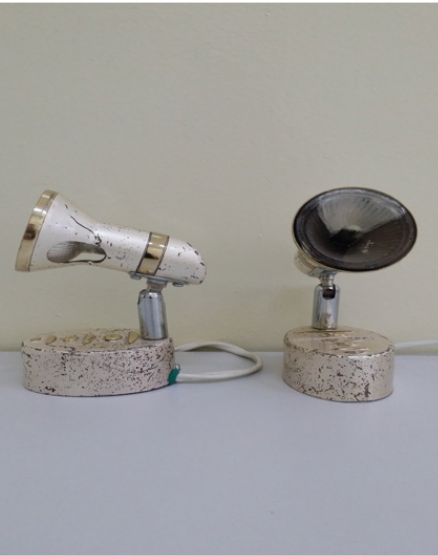
The purpose of this study is to assess the effect of long-range infrared radiation on endothelium-dependent vasodilation in patients with erectile dysfunction. Materials and methods. The study included 118 men aged 32-71 years with ED, as well as 20 men (control group) aged 28-66 years without ED. All men with ED underwent a comprehensive examination, which included the collection of a general medical and sexological history, a survey on the International Index of Erectile Function, a general examination, a study of hormonal status, blood lipids and glucose, as well as FGD using vasoactive drugs (papaverine 20-40 mg; alprostadil 5-10mkg). In addition, the study of the endothelial function of the cavernous arteries was performed in all patients. The function of the arterial endothelium was evaluated using ultrasonic examination (ultrasound) of the diameter before and after the use of long-range IR emitters (Figure 1). (ZB series registration certificate No. UZTT 00898 - working wavelength range of useful radiation 22.5 μm) according to our developed methodology. The experimental nature of the test was explained to all participants and consent was received from them to conduct it. Ultrasound of the cavernous arteries was performed using an “HD3” device from Philips (Holland).
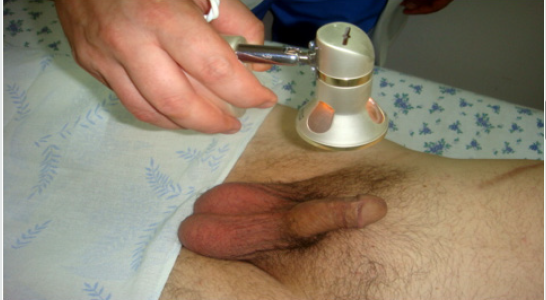
In the position of the patient on the back, a linear sensor L 9-5 was placed longitudinally on the ventral surface of the penis. The diameter of the cavernous arteries was measured as the distance between the opposite walls of the vessel and the location of the sensor was noted with a pencil. After determining the average diameter of the cavernous arteries of the penis, an IR emitter (ZB series) was exposed with an exposure of 3 minutes from the ventral side at a distance of 10-12 cm from the penis (Figure 2). After 3 minutes, an ultrasound scan was repeated to measure the diameter of the cavernous arteries. For the calculation, the largest diameter of the cavernous arteries was used. The percentage of increase in the diameter of the cavernous artery (PUDKA) was adopted by us as the main indicator for assessing the endothelial function of the cavernous arteries. This indicator was calculated by the formula:

Figure 1: Far-range infrared emitters.
lupinepublishers-openaccess-journal-urology-nephrology

Figure 2: Methods of exposure of IR emitter to cavernous arteries
lupinepublishers-openaccess-journal-urology-nephrology

PUDKA = 100% x (D2 - D1) / D1,
where D1 is the diameter of the cavernous artery before exposure to an infrared emitter;
D2 - diameter of the cavernous artery after exposure to an infrared emitter.

All studies were carried out by one specialist in ultrasound diagnostics. The study was carried out in the morning, before the study, patients were advised to refrain from smoking and taking medications that affect the cardiovascular system. The average values of this indicator were calculated for the control group and patients with arterial and non-arterial ED. Statistical analysis was performed using t-student criterion and Pearson correlation coefficient. For analysis, computer software Statistica 6.0 was used; p <0.05 was recognized as statistically significant.

Results

divided into 2 subgroups: subgroup I - non-arterial ED of 42 patients (peak systolic velocity of 30 cm / s or more); Subgroup II - arteriogenic ED of 76 patients (peak systolic velocity less than 30 cm \ s). A comparative analysis of the average PUDA values in patients with different forms of ED revealed that this indicator is statistically significantly (p <0.001) less in the group of patients with arteriogenic ED compared with the control group, as well as in comparison with patients with other forms ED. An analysis of the data made it possible for us to propose a threshold level of PUDA for distinguishing organic ED from other forms of erectile disturbances, which amounted to 30%. The sensitivity and specificity of this indicator relative to the results of FDG in the diagnosis of arteriogenic ED were 100% and 96%, respectively. In patients with arteriogenic ED there was a significant correlation (r = 0.58 p <0.05) with the results of FDG (peak systolic rate) and PUDK values. An analysis of the results showed that the proposed method reveals a paradoxical vasoconstriction of the cavernous arteries, which is not determined when using FDG. When conducting the proposed diagnostic method, in no case did we observe complications and adverse reactions.

Discussion

The present study shows that the use of long-range IR emitters in determining the endothelial function of the cavernous arteries using ultrasound is a highly informative method for the diagnosis of arteriogenic ED. The developed technique for studying the endothelial function of the cavernous arteries has advantages over FDG and post-occlusion test, as it is a non-invasive method and technically simple to perform. It is known that the functional state of penile arteries depends on the biological activity of NO. Endothelial cells and nerve endings of non-cholinergic nonadrenergic neurons are sources of NO in the cavernous tissue of the penis. The synthesis of NO is carried out as a result of the action of enzymes of endothelial and neuronal NO synthase [14,15]. In our opinion, endothelial and neuronal NO synthases are activated by the quantum energy of the IR emitter, which leads to the release of NO. It is known that the quantum energy of radiation is inversely proportional to the wavelength, and if you take this into account, the effect on a person with radiation in the range of 8-9.8 μm (human own radiation is in the range of 9-10 μm) does not have negative side effects, since quantum energy of such sources does not exceed the quantum energy of the skin’s own radiation. The radiation of ceramic infrared emitters has a specific wavelength in the narrow spectral range. All types of emitters are characterized in that the energy spectrum of their exposure corresponds to or below the energy spectrum of human radiation. Emitters in these ranges have no effect on a healthy person, since it is transparent to them [16,17]. The paradoxical vasoconstriction detected by the proposed method is due to the presence of oxidative stress. Longrange infrared radiation stimulates the production of superoxide radicals (NO; O) by blood phagocytes and tissue macrophages, which enhances oxidative stress. This is not observed during FDG. Endothelial dysfunction is an early stage of atherosclerosis and is systemic in nature. Functional damage to most arterial vessels often proceeds without clinical symptoms; therefore, the timely detection of early stages of vascular system damage is relevant. In our opinion, the developed method for determining the endothelial function of the cavernous arteries is able to detect endothelial dysfunction at the level of functional disorders, which is not always determined with FDG.

Conclusion

Thus, our proposed method for studying the endothelial function of the cavernous arteries after exposure to a far-infrared emitter is highly informative in the diagnosis of arteriogenic ED, especially in the stage of functional disorders. This method will take its place in a comprehensive examination of patients with ED. Conflict of interest. The author claims no conflict of interest.

Acknowledgment

To the Head of the Clinical and Diagnostic Department of the Central Clinical Hospital No. 1 of the Main Medical Directorate under the Office of the President of the Republic of Uzbekistan, Doctor of Medical Sciences G. A. Rozykhojaeva.

https://twitter.com/lupine_online


Tuesday, September 8, 2020

Lupine Publishers | Culture and Sensitivity; What Is Behind

Lupine publishers | Journal of Urology & Nephrology Studies


Short Communication

One or two years before I were considering the test of culture and sensitivity C/S in all specimens including urine is the optimal test or the last measure act in reaching the diagnosis for any. Recently this idea had gone away completely not due to the unknown extent of false negative and positive activity of the antibiotics due to vivo and vitro affairs. It is due to a fact that the revealed bacteria are not the point of our mystery especially in chronic repetitive urinary tract infection which may end in renal failure. The bacteria mentioned in the result forma or paper are what I term them as ‘’ Bad face or Quarrelsome face’’ this means if someone with this adjective is a person who is sent by someone to another someone to e.g. collect a post-due dept the owner failed to have it in usual fashion, or better when a gang boss is behind the jail bars send his outside guys to perform actions planed by him. This later example is the most correct description to the fact I want to reach which is the bacteria in the C/S result are the extra-cellular bacteria ECB where as the real problem confined in the depth of the cells where the intra-cellular bacteria ICB reside. The cells of urinary tract lining or underneath. 

Take this for example ( however I said recently ) I started to realize it may be got mature or hundred percent sure after accumulation of data that this idea is a fact. The example is; around ten years ago me and some surgeons and physicians went as a team of experts to some country to correct some health issue, three days post arrival one of our team which is a consultant urosurgeon asked for return home, I asked him what the cause could be, he replied with sadness that his mother suffer from chronic urinary tract infection and she is now tired so he need to find some solution especially it is resistant to recover. Really I laughed reflexly and told him we come to this country as expert to solve their problems while your mother had chronic UTI and you cannot put an end for it! He made no other response other than the first by saying in sad manner and his head inclined to the earth ‘ that is right I cannot help my mother further’ then me as a friend try to help asked him ‘’ did you do C/S” he said yes, what was the result ? he replied E. coli. I commented that he should consider Brucellosis to treat his mother with because Brucella is the ICB which sit inside the lining cells and make certain environment encourages the growth of certain biotic life and here we find E. coli as a “ bad face” to mis-lead and direct our attention away from it. Certain environment conditions make a given growths like a damp room find into it spider webs which keeps increase as time passes. 

This consultant urosurgeon did not make any objection on my instruction and I felt some comfort from his side as if I gave some exit however I am neurosurgeon and were not a consultant at that time. From where this principle came for me! More than twenty years ago I adopted the digging into the biological basis of neurosurgical pathologies. At the beginning it was based on clinical trial treatment after pointing the that Brucella what is behind the symptomatology and hence the pathology behind clinical condition ( lab is not reliable as serological test where if negative all what we do is missing the patient’s real problem to go to palliative and symptomatic measures) the results in my field were excellent starting with spine problems like low-back pain. As time and positive results pass on a new facts spring on earth like some other health problems that were accompany the treated issue faiding out to show in analysis the main issue and these faiding other health problems are mere pictures or more precisely are complications to the main health problem which in end one realizes it is a chronic or sub-acute bacterial systemic infection. As time passes more and more organs and tissues become involved. Lately PCR open tissue examination for Brucella proved that this idea is a fact where the results at the beginning were 25% positive for Brucella in my patients when the tissue where taken from Sacroiliac joint. Then around 60% positive when Trapezius muscle open biopsy was considered. By admitting screen molecular test with Micro-array and I enlisted around fifteen ICB now for direct sampling like spine and brain and so for my cases which biologically shows the other pathologies share similar. Urinary bladder cystoscope or renal biopsies for PCR screen may reveal this fact either. M. tb. And others are interpretation difficulty for me now where they emerge on my field.

https://twitter.com/lupine_online

Wednesday, April 17, 2019

Lupine Publishers-Journal of Urology


Angiotensin-converting enzyme inhibitors (ACEi) and angiotensin II receptor blockers (ARBs) are recommended in peritoneal dialysis (PD) patients for hypertension or heart failure control [1] Angiotensin II (AII) is an important factor in the development of renal fibrosis due to its hemodynamic effects on glomeruli and stimulation of extracellular matrix proteins synthesis, mediated by TGF b [2]. This may explain why treatment with ACEi and ARBs is renoprotective in patients with diabetic and non-diabetic nephropathy.


For more Lupine Publishers Open Access Journals Please visit our website:http://www.lupinepublishers.com/

For more Journal of Nephrology articles Please Click Here: https://lupinepublishers.com/urology-nephrology-journal/index.php


Tuesday, April 2, 2019

Lupine Publishers-Urology open access journals

Hypertriglyceridemia and Remodeling of the LeftVentricle in Patients with Chronic Kidney Disease by IT Murkamilov in Journal of Urology & NephrologyStudies in Lupine Publishers

Aim: The aim of the study was to study the clinical and functional features of renal dysfunction in conditions of hypertriglyceridemia and remodeling of the left ventricle.

Materials and Methods: 176 patients with chronic kidney disease (CKD) were examined, 111 of them with hypertriglyceridemia (HTG) in association with left ventricular hypertrophy (LVH) 1st group and 65 patients with LVH in the absence of HTG, matched by gender and age. Along with general clinical studies, all patients were assessed for lipid spectrum parameters, measurement of cystatin C in blood plasma, and indicators of arterial stiffness (augmentation index and stiffness) and echocardiography were analyzed.

Results: In the 2nd group (HTG + LVH), the number of patients with type 2 diabetes mellitus (DM), a combination of hypertension, coronary heart disease and gout were significantly higher (p<0.05). Persons with chronic obstructive pulmonary disease, chronic pyelonephritis and cerebrovascular diseases were significantly more common in the 1st group (p <0.05). In the 2nd group, the value of BMI [(30.4 ± 5.2 kg/m2against 28.1±5.7 kg /m2; p = 0.013), the level of systolic blood pressure (BP) (140 ± 19 mm Hg). v. 134 ± 18 mmHg; p = 0.042), thickness of the posterior wall of the left ventricle (LV) (0.98 ± 0.18 cm versus 0.90 ± 0.16 cm; p = 0.008), relative thickness LV walls (0.385 ± 0.107 units versus 0.357 ± 0.060 units; p=0.032), the number of patients with concentric LV hypertrophy (29.2; versus 13.5%; p=0.008), total cholesterol content (5.80 (4.87;6.80) mmol/l vs. 4.75 (4.0;5.38) mmol / l; p=0.000); lowdensity lipoprotein cholesterol (3.56 (3.12;4.63 ) mmol/l versus 3.09 (2.61;3.79) mmol/l; p=0.045) cystatin C (1.25 (1.08;1.70) mg / l versus 1.16 (0.99;1.42) mg/l; p=0.026) turned out to be significantly higher, and the calculated glomerular filtration rate (eGFR) significantly lower (57.0 ± 22 ml / min versus 65.0±23 ml/min; p=0.028)] compared with the 1stgroup. A positive correlation was noted between the level of central BP (r=0.264; p=0.003), the augmentation index (r=0.224; p=0.011) and plasma cystatin C (r= 0.486; p=0.000) with the value of the indexed LV myocardium mass (LVMI) in the total sample surveyed. A negative correlation was recorded between the eGFR and LVMI (r=-0.425; p=0.000).

Conclusion: In the presence of hypertriglyceridemia in patients with left ventricular hypertrophy, cystatin C increases in blood plasma and GFR decreases with a tendency for augmentation index to increase.

For more Lupine Publishers Open Access Journals Please visit our website:http://www.lupinepublishers.com/


Friday, January 4, 2019

Ethics Applied in ICU For Rehabilitation Care in Users with Oncological Disease and Compromised Renal Function.. J Urol Neph St 1(2)- 2018. JUNS.MS.ID.000110.Ethics Applied in ICU For Rehabilitation Care in Users with Oncological Disease and Compromised Renal Function : (JUNS)- Lupine Publishers


Renal rehabilitation based on early body movement in intensive care units that has been expanding its fields of action from the areas of health promotion, disease prevention, maintenance and rehabilitation of people from the center of study human body movement applied in comprehensive care in intensive care units, which leads to reflection on a reflective theoretical discernment process of conceptual elements that lead to understand the ethical vision of the concept of body and movement in a hospitalization context from the renal environment where key aspects such as pain, care, dysfunctions, limitations and disabilities resulting from the immobilization process are articulated in the bioethical principles from the praxis of human movement.


For more Lupine Publishers Open Access Journals Please visit our website: http://www.lupinepublishers.com/

Tuesday, December 4, 2018

Lasertripsy For the Controlled Coarse Fragmentation of Urinary Tract Stones : (JUNS)- Lupine publishers


Lasertripsy For the Controlled Coarse Fragmentation of Urinary Tract Stones by OL Antipov in Journal of Urology & Nephrology Studies in Lupine publishers

Development  of  novel  methods  for  controlled  coarse  fragmentation  of  urinary  tract  stones  may  help  to  minimise  the  risk  of  urinary tract infection and prevent the small stone fragments, responsible for residual stone formation, from entering into the calyx-calcification system of a kidney. The experimental results demonstrated that the following parameters of a pulsed laser operating at the 2097 nm (or the 1967 nm) wavelength were optimal for a controlled fractioning of the stones in air: the pulse duration of 20-30 ns, the repetition rate of 200-1000 Hz (or more), and pulse energy of 45-55 mJ. The relatively small pulse energy coupled with the high repetition rate enabled the destruction of concrements into fragments small enough to be removed with the amplatz.

https://www.lupinepublishers.com/urology-nephrology-journal/fulltext/lasertripsy-for-the-controlled-coarse-fragmentation-of-urinary-tract-stones.ID.000109.php

https://www.lupinepublishers.com/urology-nephrology-journal/pdf/JUNS.MS.ID.000109.pdf

https://www.lupinepublishers.com/urology-nephrology-journal/abstracts/lasertripsy-for-the-controlled-coarse-fragmentation-of-urinary-tract-stones.ID.000109.php

For more Lupine Publishers Open Access Journals Please visit our website: http://www.lupinepublishers.com/

For more uro-oncology Journal articles Please Click Here: https://lupinepublishers.com/urology-nephrology-journal/index.php


Thursday, November 22, 2018

Presentation and Outcomes of First-Degree Relatives Treated with Brachytherapy for Clinically Localized Prostate Cancer: (JUNS)- Lupine publishers


Presentation and Outcomes of First-DegreeRelatives Treated with Brachytherapy forClinically Localized Prostate Cancer by Oren Factor in Journal of Urology &Nephrology Studies in Lupine publishers

Purpose: To determine if first-degree relatives treated with definitive radiation for clinically localized prostate cancers have similar baseline characteristics and clinical outcomes. Methods: From a prospectively assembled database, we identified a set of first-degree relatives with clinically localized prostate adenocarcinoma. Patients were treated with brachytherapy with or without external beam radiation therapy. Biochemical failure was the primary outcome. Toxicities were measured with the International Prostate Symptom Score (IPSS) and Mount Sinai Erectile Function Score (MSEF). Results: We identified 41 patients including 22 pairs of first-degree relatives. One family included 3 separately treated brothers. The median follow up was 72 months. Eight pairs of first-degree relatives presented with the same Gleason score, representing 36% of pairs. Eleven pairs of relatives (50%) fell in the same NCCN risk category. There were 4 total biochemical failures, representing 9.8% of the cohort. In a single pair of brothers both patients experienced a biochemical failure. Therefore, in two pairs of relatives (9.1%) a different biochemical outcome was experienced. In the pair of brothers who both experienced biochemical failure, both brothers developed metastatic disease. One of the brothers died due to prostate cancer. Amongst pairs of first-degree relatives, 10 pairs (52%) experienced a concordant change in IPSS relative to the average. Fifty percent of pairs experienced concordant changes in MSEF score. Conclusion: First-degree relatives treated with radiation therapy did not present similarly. Outcomes appeared to be concordant amongst relatives. There was no suggestion of worse outcomes in patients with a brother or father having prostate cancer.

https://www.lupinepublishers.com/urology-nephrology-journal/fulltext/presentation-and-outcomes-of-first-degree-relatives-treated-with-brachytherapy-for-clinically-localized-prostate-cancer.ID.000107.php 

https://www.lupinepublishers.com/urology-nephrology-journal/pdf/JUNS.MS.ID.000107.pdf

https://www.lupinepublishers.com/urology-nephrology-journal/abstracts/presentation-and-outcomes-of-first-degree-relatives-treated-with-brachytherapy-for-clinically-localized-prostate-cancer.ID.000107.php

For more Lupine Publishers Open Access Journals Please visit our website: http://www.lupinepublishers.com/

For more epididymal cyst Journal articles Please Click Here: https://lupinepublishers.com/urology-nephrology-journal/index.php

Tuesday, November 20, 2018

Effect of Tyrosine Kinase Inhibitors on Renal Functions: (JUNS)-Lupine publishers


Effect of Tyrosine Kinase Inhibitors on Renal Functions by Özgür Can in Journal of Urology &
Nephrology Studies in Lupine publishers

Background:
We aim to document if any difference exists for renal functions between metastatic and nonmetastatic patients. 
Methods: 
The study population included 12 metastatic and 15 non-metastatic patients. Metastatic renal cancer patients using the TKIs were compared to non- metastatic patients. 
Results:Preoperative estimated glomerular filtration rate (e-GFR) was significantly low in metastatic patients than non-metastatic patients (p: 0.048). A trend toward increased acute kidney injury during hospital stay in the non-metastatic group was observed, but this fell just short of statistical significance (p:0.109). Two groups did not differ significantly in terms of postoperative e-GFR (p: 0.256). No statistically significant differences were observed in actual e- GFR between two groups (p: 0.638). No statistically significant differences were found in pre-TKIs and post-TKIs e-GFR values (p: 0.735). Proteinuria was statistically more common in metastatic patients than non-metastatic patients (p<0.001). No statistically significant difference in age, sex, follow-up period, NSAIDs use, antihypertensive and ARBs/ACEIs use were documented between the two groups.

Conclusion: Increased risk for proteinuria was documented in metastatic patients with TKIs use. However, use of the TKIs had no effect on e- GFR. No statistically significant differences were observed in actual e- GFR between two groups.

https://www.lupinepublishers.com/urology-nephrology-journal/fulltext/effect-of-tyrosine-kinase-inhibitors-on-renal-functions.ID.000106.php

https://www.lupinepublishers.com/urology-nephrology-journal/pdf/JUNS.MS.ID.000106.pdf

https://www.lupinepublishers.com/urology-nephrology-journal/abstracts/effect-of-tyrosine-kinase-inhibitors-on-renal-functions.ID.000106.php

For more Lupine Publishers Open Access Journals Please visit our website: http://www.lupinepublishers.com/

For more Renal failure Journal articles Please Click Here: https://lupinepublishers.com/urology-nephrology-journal/index.php


Tuesday, November 13, 2018

Contrast-Induced Nephropathy: Current practice: (JUNS)-Lupine publishers


Contrast-Induced Nephropathy: Current practice by Sonali Gupta in Journal of Urology &Nephrology Studies in Lupine publishers

Contrast induced nephropathy (CIN) is a common cause of hospital acquired acute kidney injury (AKI) and associated with adverse clinical outcomes. There is still debate regarding the exact definition, which has greatly influenced the reported incidence of CIN in literature. Recent studies have challenged the universal concern regarding risk of CIN in general population. It is found to occur more commonly after intra-arterial (IA) administration of contrast as in interventional cardiology and vascular procedures especially in patients with multiple comorbidities and underlying renal impairment. Recent studies report negligible risk after intravenous (IV) contrast administration for modern diagnostic radiological examinations. Since it is a potentially preventable clinical condition, it is imperative for health care professional to be well aware of this entity. All patients undergoing iodinated contrast exposure should be risk stratified and preventive measures should be employed in high risk population. This paper will review the epidemiology, controversies regarding definition, pathophysiology, risk stratification, iodinated contrast commonly used in practice and preventive strategies.


Friday, November 9, 2018

The Role of Chemotherapy in Triple Negative Breast Cancer: (JUNS)- Lupine publishers


Breast cancer (BC) is the most frequent tumor worldwide. Triple-negative BCs are characterized by the negative estrogen and progesterone receptors and negative HER2, and represent 12-18% of all BCs. Breast cancer (breast cancer) is the most common oncological disease in women in the Uzbekistan. Data from epidemiological studies show that TNBC is more common in young women (up to 50 years) before menopause. In addition, the likelihood of TNBC is higher in women with early menarche, the first pregnancy at an earlier age, a short period of breastfeeding, and an increased body mass index. It should be not that the prognosis for TNBC does not depend on the degree of differentiation of the tumor, the presence of lymph node metastases, the size of the tumor or the treatment performed. The aggressiveness of TNBC was also confirm by the maximum risk of recurrence during the first three years after surgical treatment with a maximum mortality within the first 5 years. TNBC is a subtype of tumors with a special character of metastasis. Based on the above, we have undertaken the present work, having set ourselves the following goal: to improve immediate and long-term results of treatment of patients with locally advanced thyroid cancer by using the most effective diagnostic methods and comprehensive treatment.  

Radiology; USG and Colour Doppler of Post Renal Transplant Complications

  Abstract Kidney transplant is the treatment of choice for patients with end-stage renal disease. Kidney transplant offers better...